T.A.S.S. Technology: High-Efficiency Spray Systems and RAMS Safety Compliance
A comprehensive summary of the Twin Air Spray System, highlighting the triple regulator pressure optimization that saves up to 40% in paint and its role as an engineering safety control in RAMS.
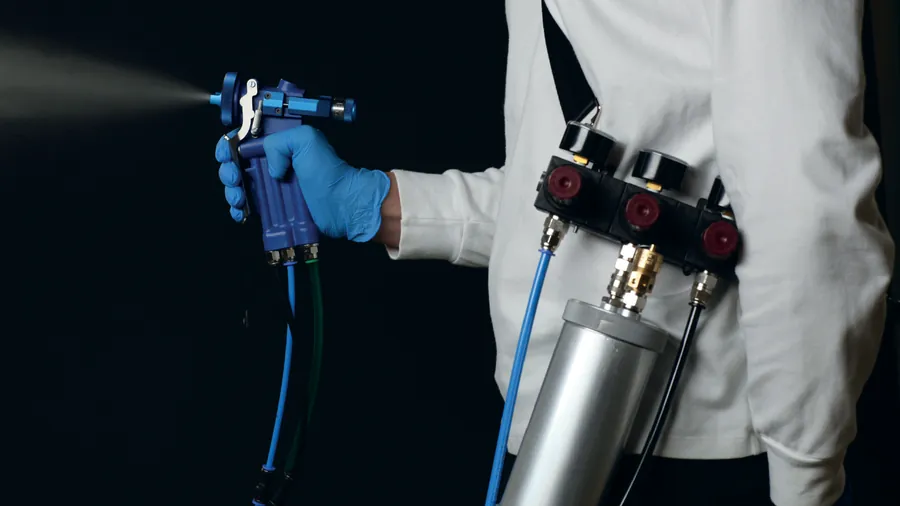
The patented Twin Air Spray System (T.A.S.S.) represents a major leap forward in industrial surface coating technology. T.A.S.S. allows operators to separately control atomising pressure, fan pressure, and paint flow rate using a highly precise triple regulator. This level of granular adjustment enables operators to perfectly match the application pressures to the specific requirements of the substrate and the coating, drastically reducing particle bounce-back and overspray.
Whether executing conventional air-spray or high-volume airless applications, this enhanced process efficiency translates directly to material savings. Operators typically see a 20% to 40% reduction in total paint consumption. By keeping paint droplets securely on the target surface rather than dispersed in the air, project margins are protected and solvent waste is minimized.
Beyond material economy, T.A.S.S. serves a vital regulatory role in industrial operations. When preparing a Risk Assessment and Method Statement (RAMS) for hazardous coating works, the system is classed as an Engineering Control—the preferred level of hazard mitigation under standard occupational health hierarchies.
By suppressing airborne paint mist at the source, T.A.S.S. lowers the concentration of Volatile Organic Compounds (VOCs) and particulates in the immediate workspace. This significantly reduces health risks to painters, improves local visibility, and lowers the burden on local exhaust systems, making it easier to secure safety approvals for complex confined space or high-traffic projects.
More from the blog
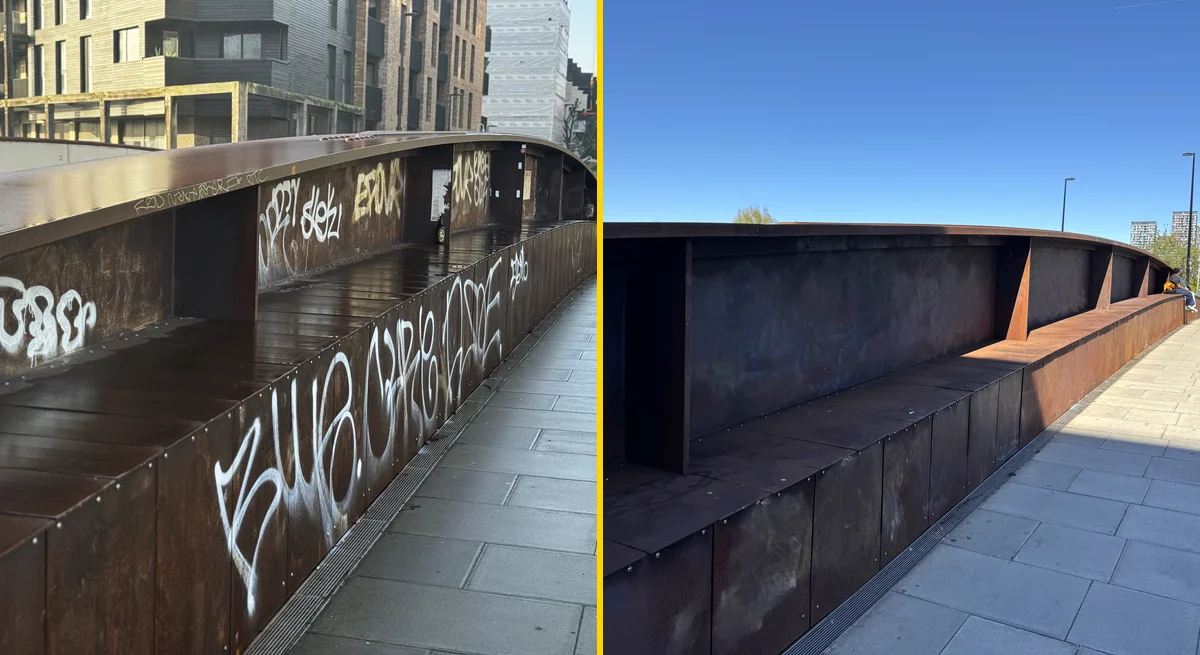

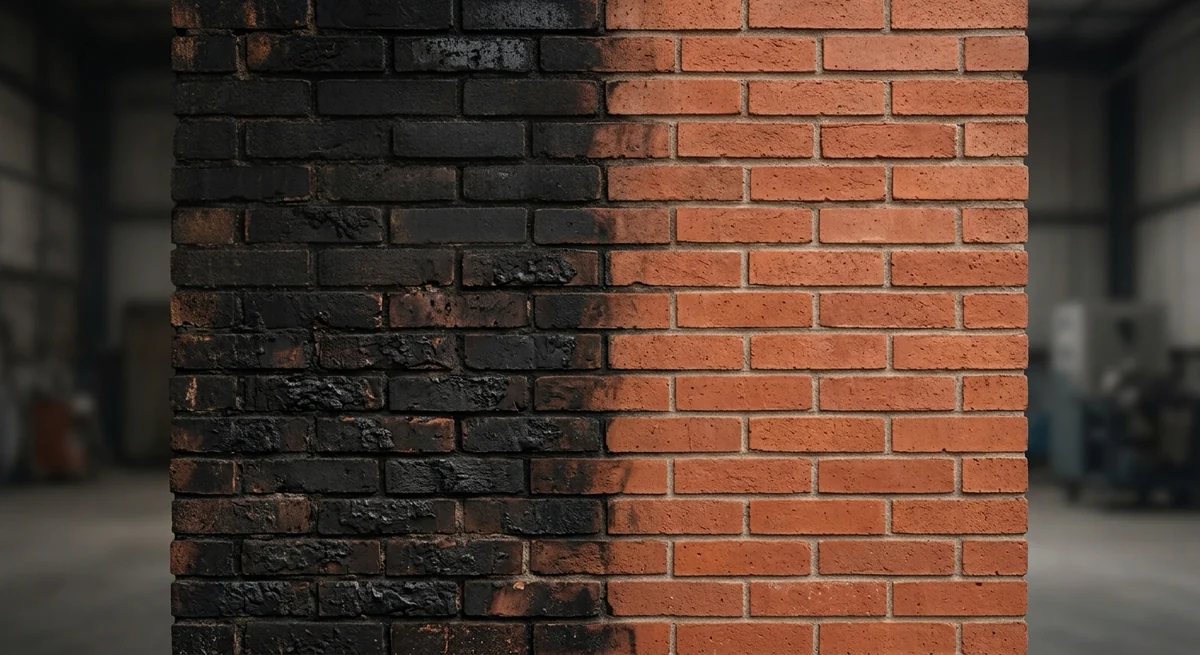


Restore and protect your surfaces
Send us a few photos and we'll come back with a clear, fixed quote. Free site visits across Bedfordshire, Cambridgeshire and Hertfordshire.