Home / Blog / Dry Ice Blasting
The Science of Sublimation: How Dry Ice Safely Removes Industrial Coatings
Explore the physics of dry ice blasting, a revolutionary non-destructive cleaning method that leaves zero secondary waste.
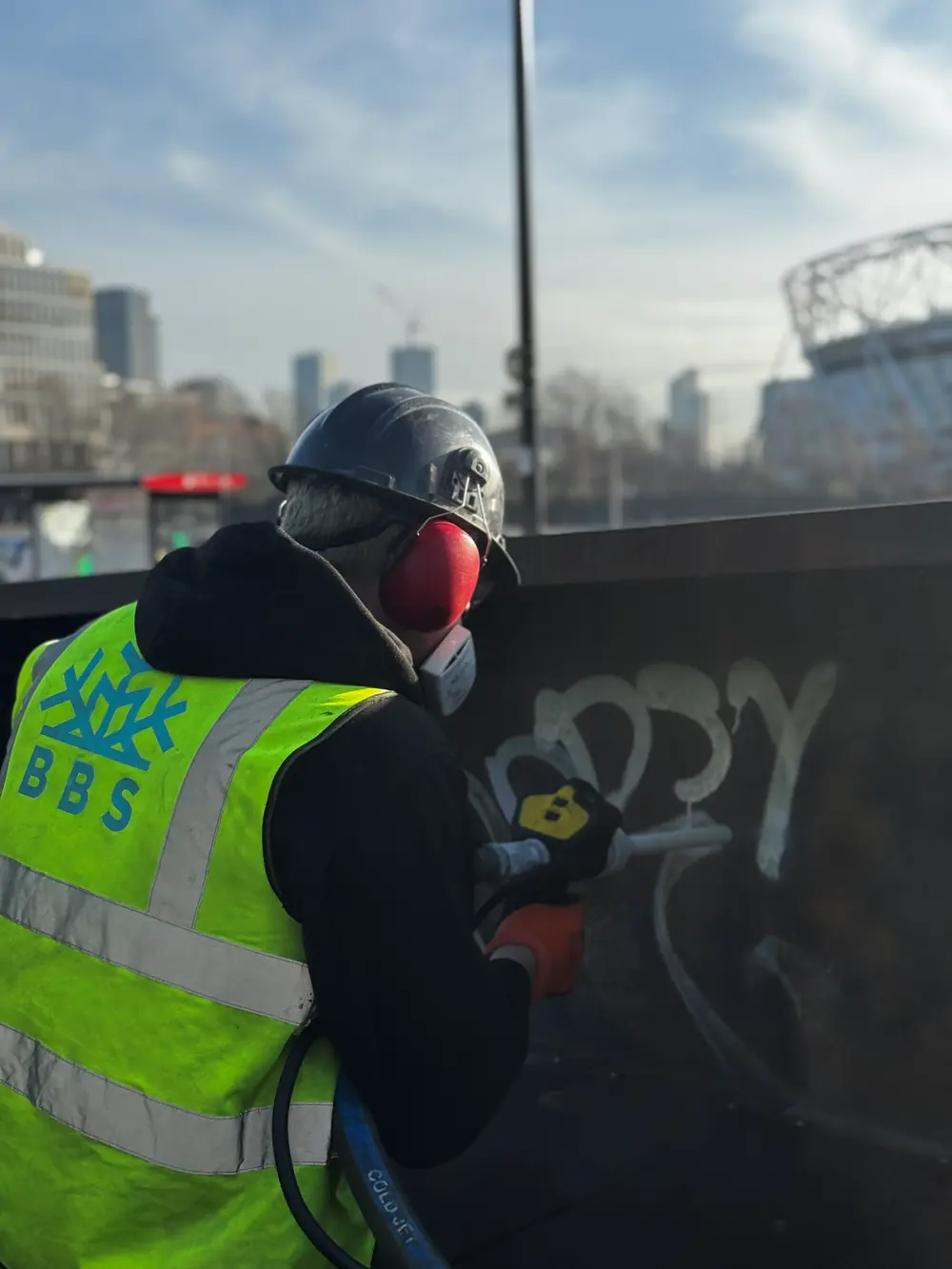
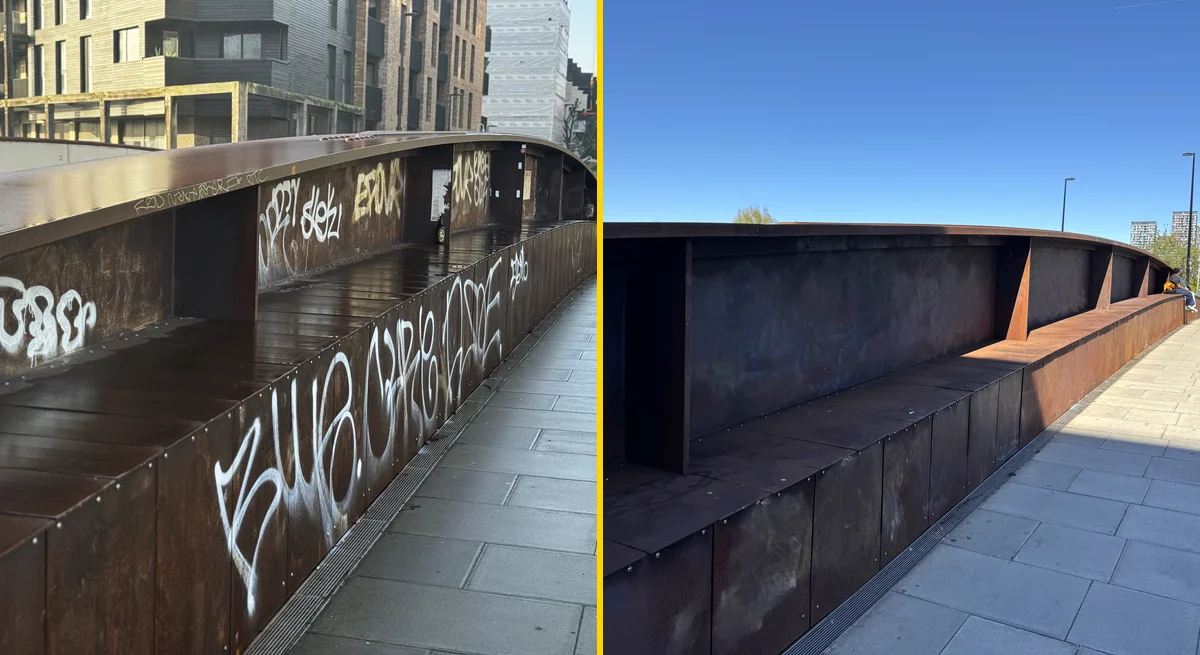
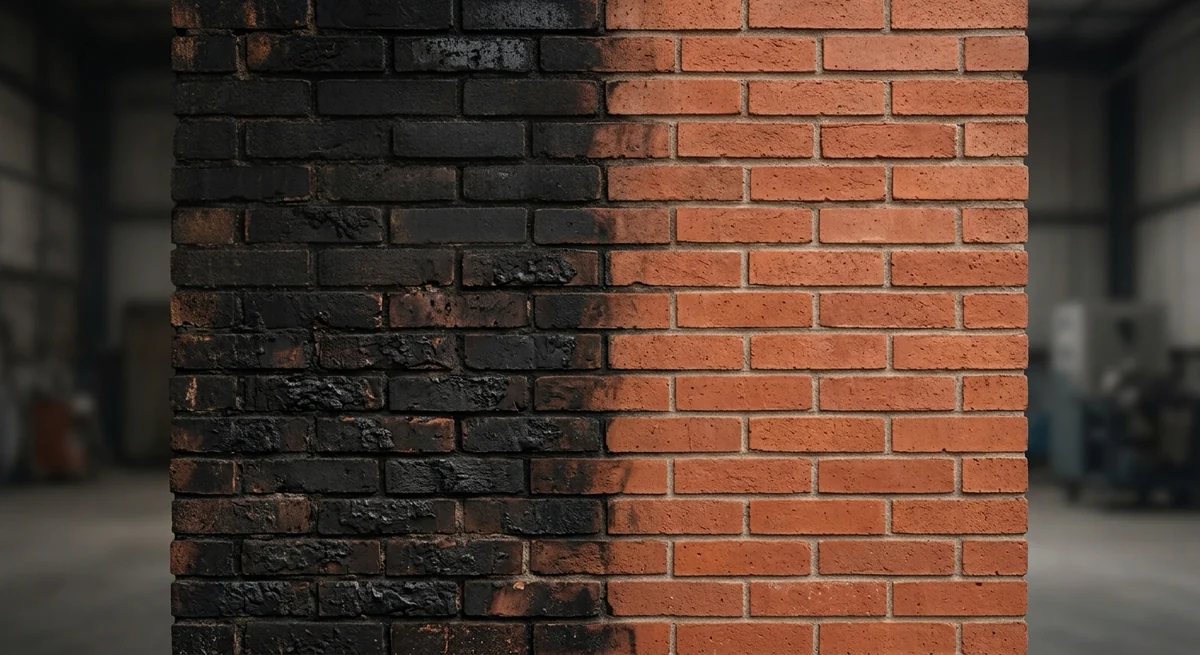
Industrial cleaning has long faced a compromise: aggressive chemicals that harm the environment, or abrasive media that wear away the underlying substrate. Dry ice blasting breaks this paradigm entirely.
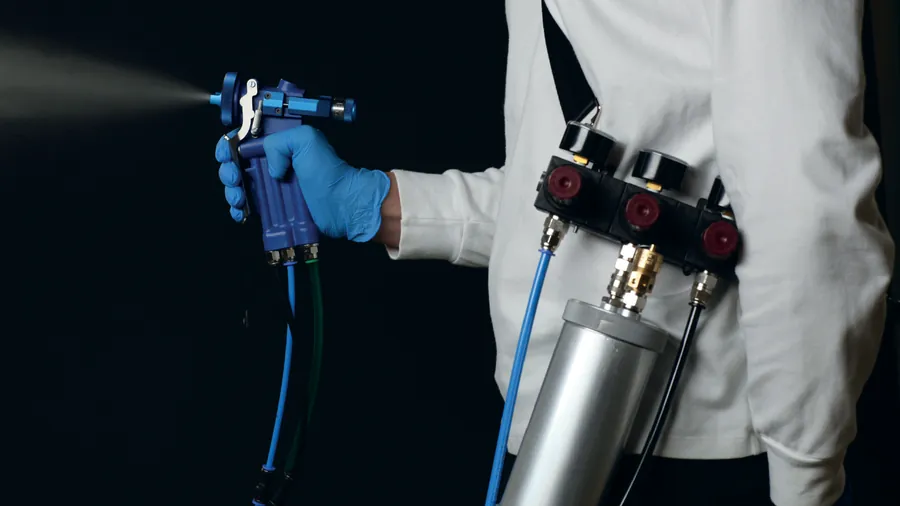
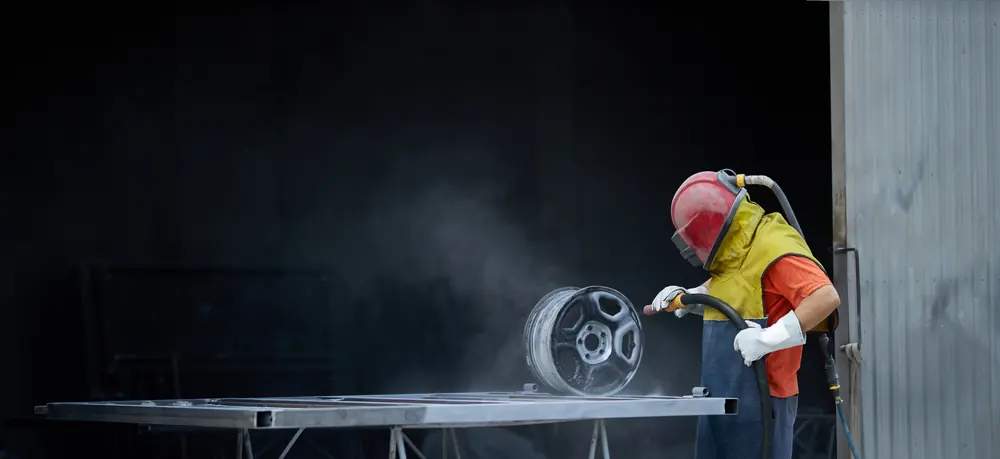
Unlike traditional grit blasting, which relies purely on mechanical friction to scrape off coatings, dry ice cleaning utilizes a combination of three physical events:
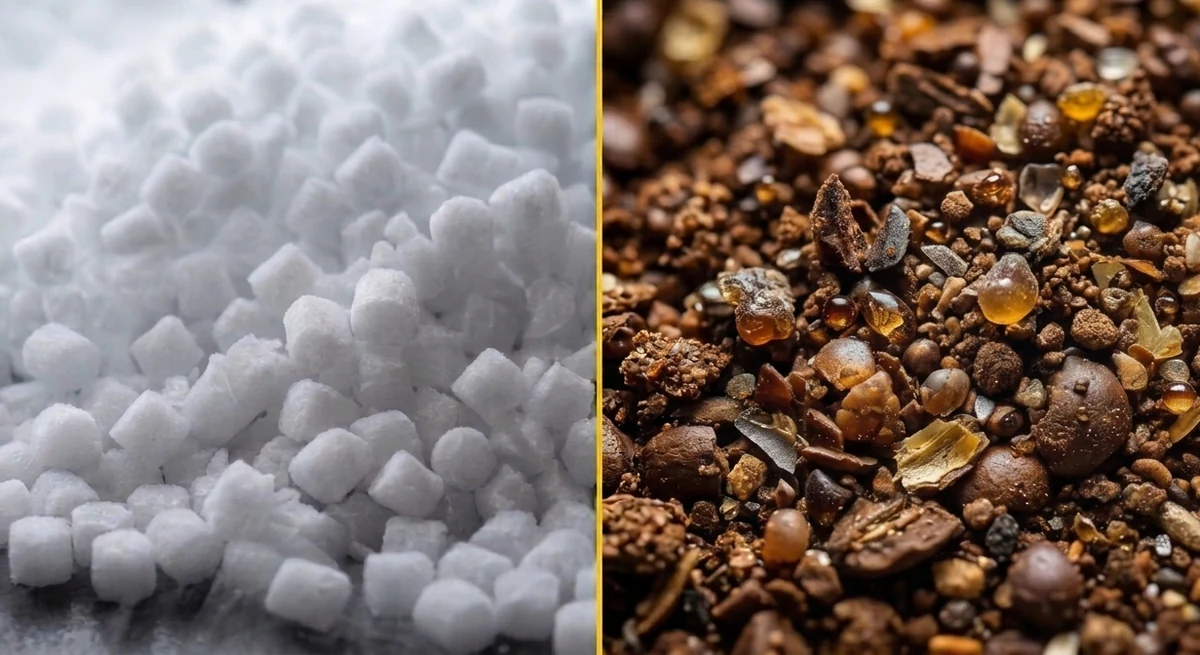
1. Thermal Shock: Solid carbon dioxide (dry ice) pellets are accelerated to supersonic speeds and impact the surface at -78.5°C (-109°F). This sudden, extreme cold causes the contaminant layer to freeze and contract instantly. Because the underlying substrate contracts at a different rate, the bond between the coating and the surface is fractured.
2. Kinetic Energy Transfer: The high-speed impact of the pellets transfers massive kinetic energy, shattering the embrittled coating.
3. Sublimation Expansion: Upon impact, the dry ice pellets instantly transition from a solid state directly to a gas (sublimating). In doing so, the volume of CO2 expands by approximately 800 times in a micro-second, acting as millions of miniature explosions underneath the contaminant to lift it clean away.
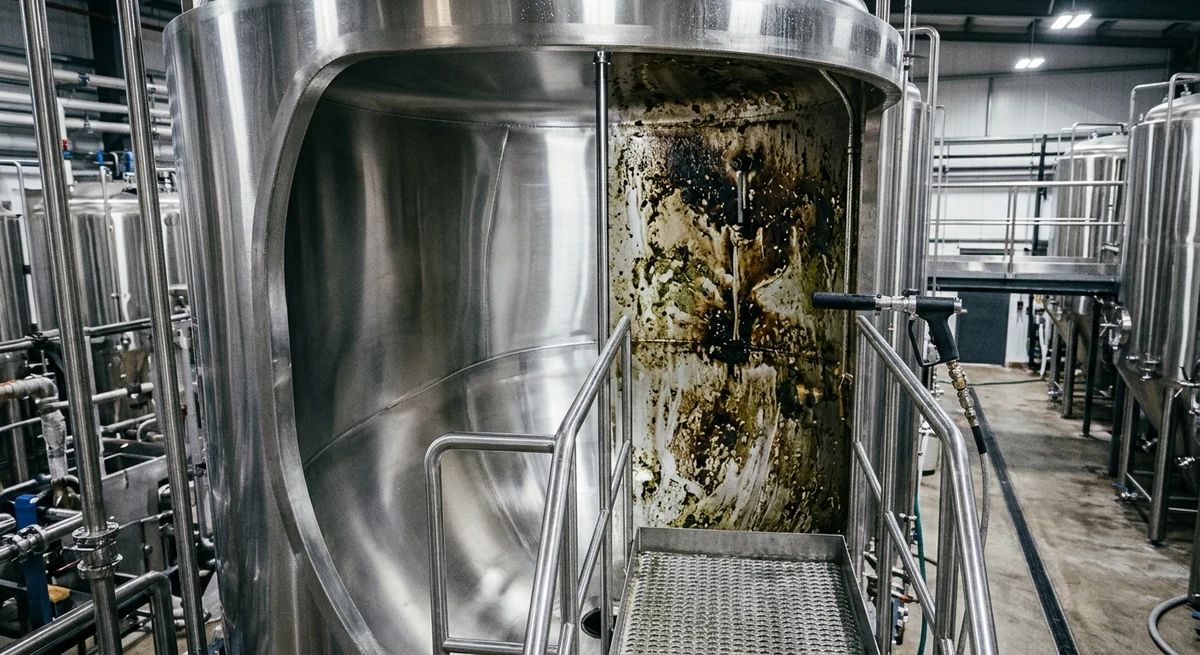
The ultimate benefit of this process is that the CO2 simply disperses into the air. There is absolutely no grit, water, or chemicals left behind—only the dry contaminant that fell from the surface, which can easily be swept or vacuumed up. This makes dry ice blasting ideal for high-tech manufacturing, electrical assemblies, and heavy food-production machines where water is forbidden.
More from the blog

Restore and protect your surfaces
Send us a few photos and we'll come back with a clear, fixed quote. Free site visits across Bedfordshire, Cambridgeshire and Hertfordshire.