Bringing the Crown Inn Back to Life: Dry Ice Blasting Heritage Oak After a Fire
How we used dry ice blasting to rescue fire-damaged heritage oak beams, timber walls and a set of old pub doors at the Crown Inn, without harming the history underneath.
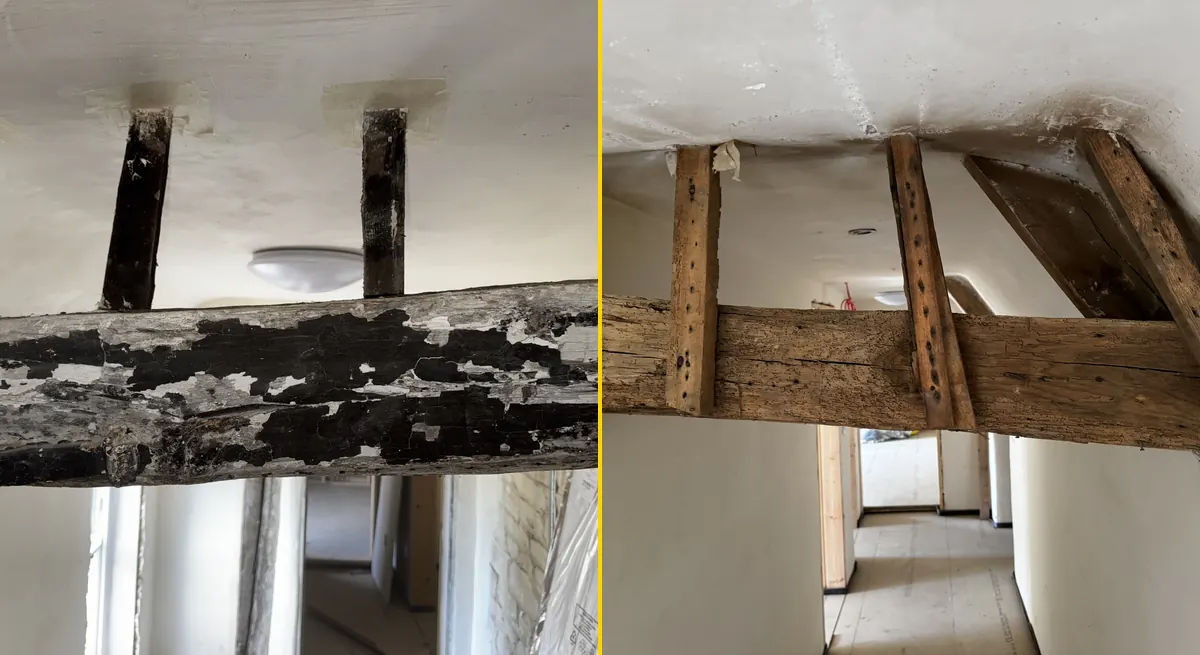
Every old pub has a story, and the Crown Inn has a new chapter. After a fire swept through the building, the historic oak beams, the timber framing and the walls were covered in soot and charring. On top of that were decades of paint and limewash. The owners wanted the pub's character saved, not stripped out and replaced. That's exactly the kind of job we love.
The challenge
Heritage oak is unforgiving. It's centuries old and full of hand-cut tool marks, and it doesn't take kindly to harsh treatment. Traditional grit blasting can chew into the soft grain, and chemical strippers soak into the wood. Sanding would take weeks and wipe out the texture that makes these beams special.
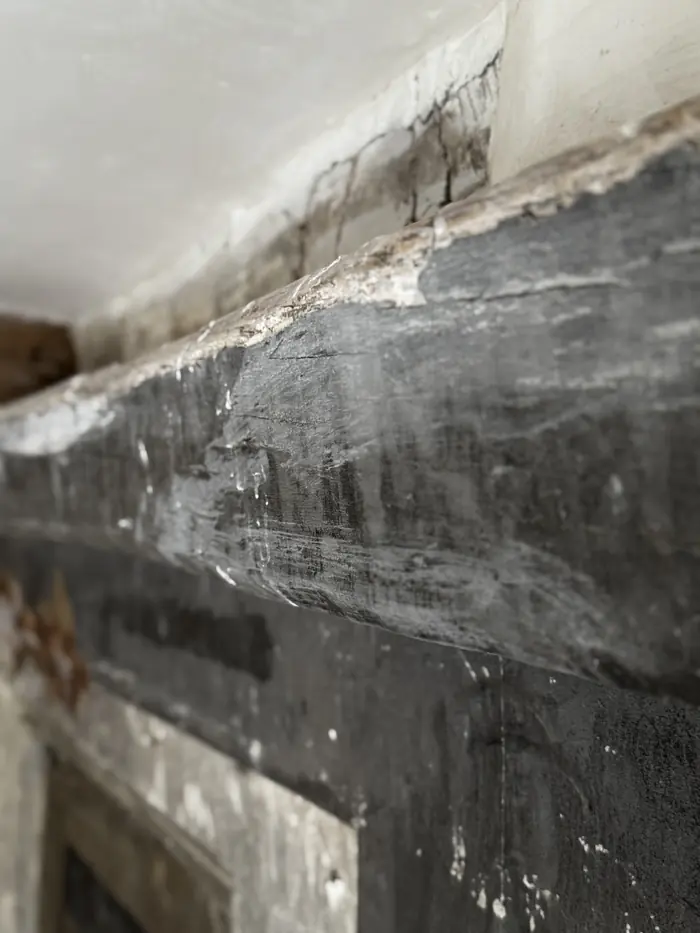
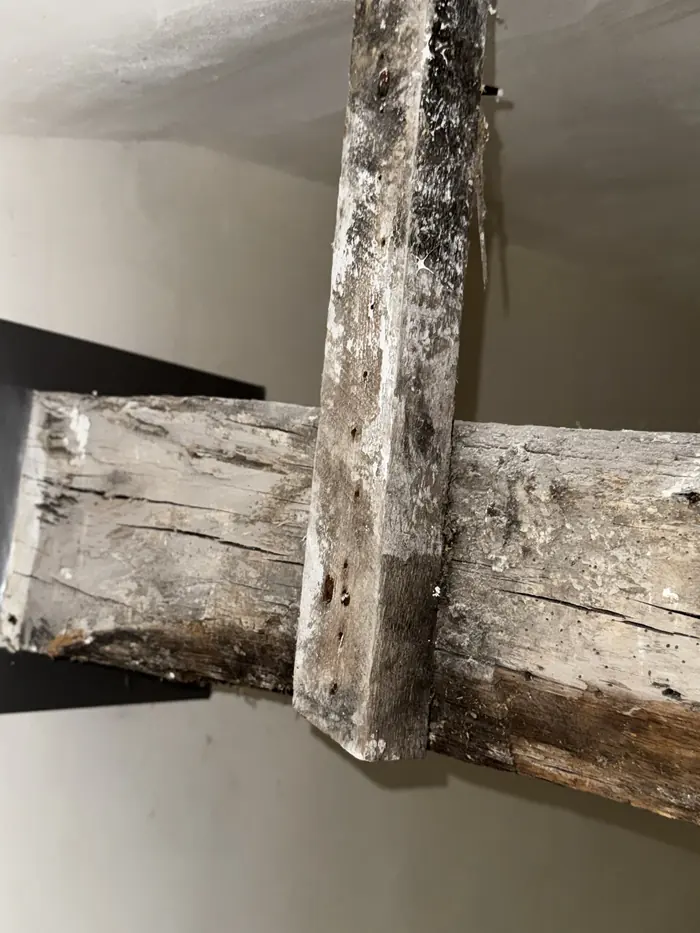
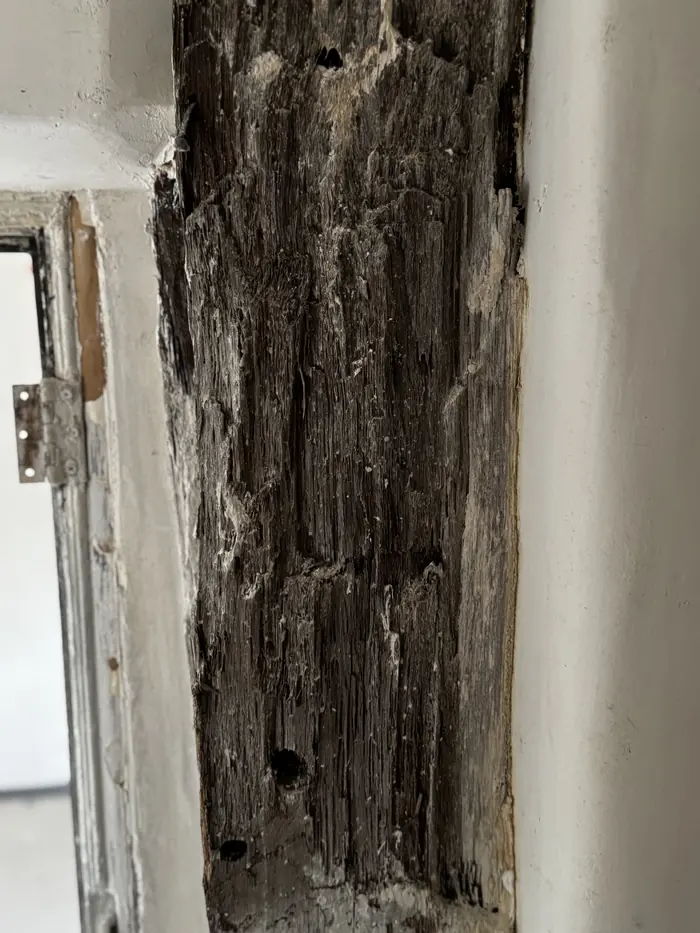
The fire had left every surface layered with smoke residue. In places the old whitewash had blistered and lifted in the heat. Some of the vertical studs were badly charred, and we needed to clean them back to sound timber without taking away more than necessary.
Why dry ice?
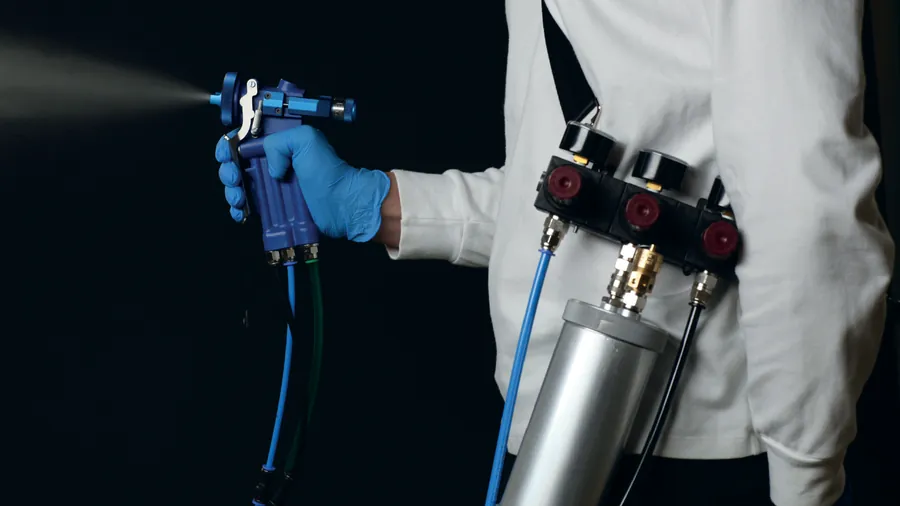
Dry ice blasting fires small pellets of frozen CO2 at the surface. They hit, shatter and turn straight back into gas. They don't leave any grit behind, use no water and involve no chemicals. The sudden cold makes the soot and old coatings shrink and crack away from the timber, and the oak underneath is left intact.
That makes it about as gentle as blasting gets on historic wood, and there's no secondary waste to clean up afterwards. Only the soot and paint we've removed need clearing away.
No grit, no water, no chemicals. Nothing lodges in the grain, the timber doesn't get soaked, and nothing soaks into centuries-old oak.
The results
This is the fun part. Under all that black and white, the original oak came back to life, showing its warm tones, deep grain and the adze marks left by the carpenters who built the place. The ceiling beams, cross-braces and wall timbers were all cleaned back while the building's original structure stayed in place.
 Before
 After
 Before
 After
 Before
 AfterBefore
 After
The doors: a workshop project
We were also trusted with several of the pub's heritage doors. These included traditional ledged-and-braced plank doors and a half-glazed panelled door. We brought them back to our workshop in Sandy, where we could take our time with them.
Some of the doors were in a sorry state. They were fire-blackened, and the heat had bubbled the paint into a leopard-print pattern. Underneath were layers of old varnish and patches of flaking paint. We blasted each one back carefully, working on the boards, ledges and braces in turn.
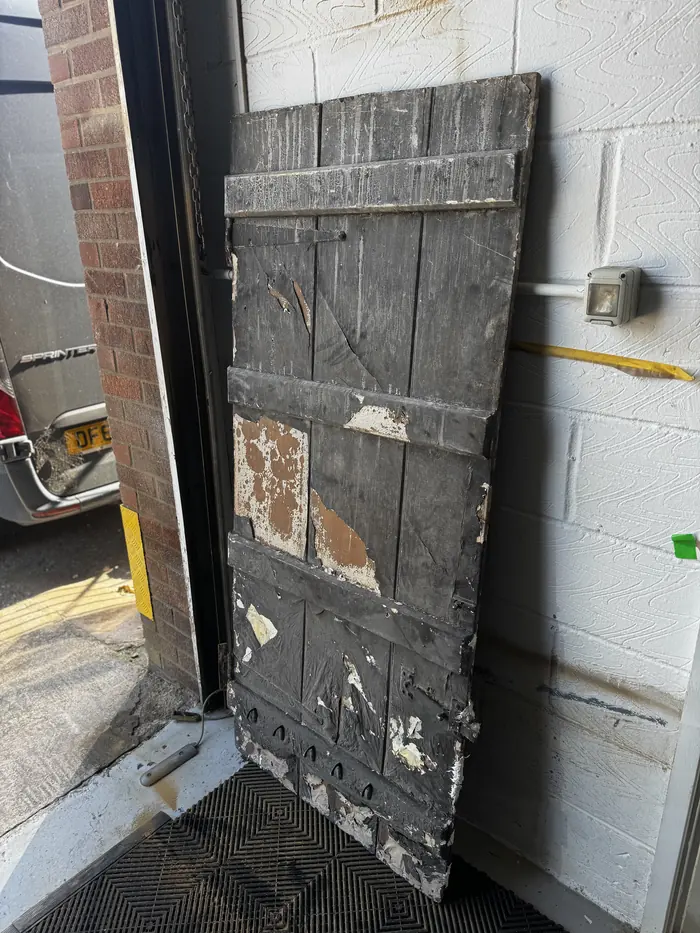
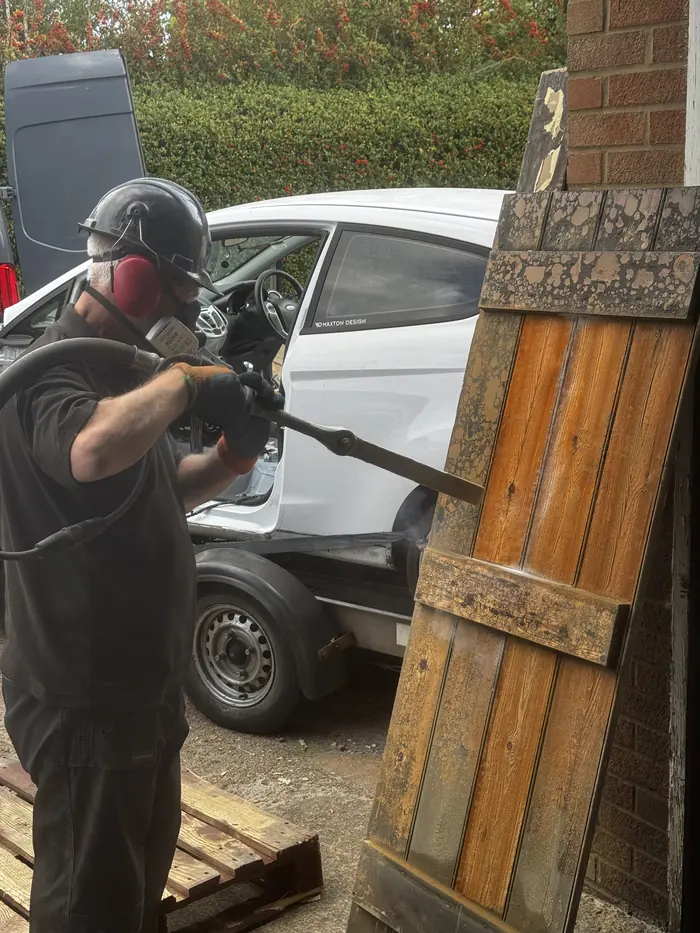
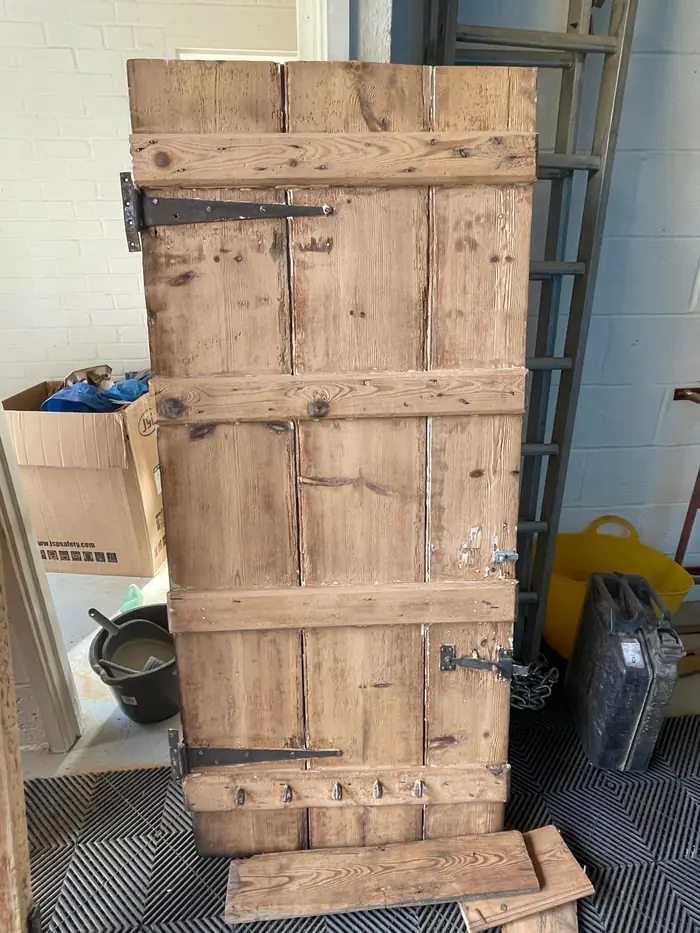
Once they were finished, the doors were back to clean, honest timber. The original ironwork was still in place, including the strap hinges and latches, and the knots and grain showed through clearly.
 Before
 After
 Before
 After
 Before
 After
They're now ready to go back where they belong, looking like they've always been there.
Why it matters
A building like the Crown Inn can't be replaced. With the right method, fire damage doesn't have to mean losing its history. Dry ice let us remove the damage while keeping the character, so the pub keeps its story along with its beams.
Got fire-damaged or heritage timber that needs some care? Send us a few photos and we'll come and take a look.

Restore and protect your surfaces
Send us a few photos and we'll come back with a clear, fixed quote. Free site visits across Bedfordshire, Cambridgeshire and Hertfordshire.